
Flexible PCBs are versatile and efficient, but they can suffer from mechanical stress and bending. By adding flex PCB stiffeners, you ensure their structural integrity and reliable performance in challenging environments.
Flex PCB stiffeners are critical components that enhance the mechanical stability of flexible PCBs. They prevent unwanted flexing, ensure proper component placement, and enhance durability, making them essential for industries such as aerospace, medical devices, and consumer electronics.
Now, let’s dive deeper into the importance of flex PCB stiffeners, exploring their materials, benefits, and how they help maintain PCB performance across different applications.

What is a Stiffener in Flex PCB?
A flex PCB stiffener is a rigid material added to flexible printed circuit boards (PCBs) to provide mechanical support and prevent excessive bending, ensuring that the PCB stays intact during handling, installation, and operation.
These stiffeners can be made from various materials such as FR4, polyimide, or aluminum, and are strategically placed in areas requiring additional rigidity. By doing so, they maintain the PCB’s form and function without compromising flexibility.
Flex PCB stiffeners are crucial for preventing issues such as broken traces or unseated components, which can occur when flexible PCBs experience stress or bending. The right stiffener ensures that your flexible PCB performs optimally in dynamic environments.

What is the Difference Between Coverlay and Stiffener?
While both coverlay and stiffeners serve protective roles in flex PCBs, they have different functions and are used in different contexts.
A coverlay is a protective layer that shields the PCB from moisture, dust, and physical damage, while a PCB stiffener adds structural rigidity, ensuring the PCB can handle mechanical stresses without deforming.
The coverlay is typically made from polyimide and serves as an insulator, while the PCB stiffener material—often FR4 or polyimide—adds strength and durability. The stiffener does not alter the PCB’s flexibility but enhances its mechanical performance, especially in high-stress areas.
What is the Purpose of a Stiffener?
The primary purpose of a PCB stiffener is to provide mechanical strength to the flexible PCB, ensuring that it can handle bending and stress during usage without affecting the performance of components or signals.
By adding a stiffener, you ensure that your flex PCB can endure harsh conditions like vibrations, heat, or mechanical shocks. This is especially important in industries like aerospace, where reliability and durability are critical.
Without stiffeners, flex PCBs are at risk of becoming deformed during handling or assembly, leading to potential issues like broken connections, poor signal transmission, or failed components. Stiffeners prevent these problems by reinforcing the board’s structure and maintaining component alignment.
What is the Difference Between FR4 and Polyimide Stiffener?
FR4 and polyimide are two of the most commonly used materials for flex PCB stiffeners, each offering unique advantages depending on the specific needs of the application.
FR4 is known for its strength and rigidity, making it ideal for applications that require more structural support. In contrast, polyimide is more flexible, heat-resistant, and better suited for applications that require thermal stability and moderate mechanical support.
FR4 stiffeners are typically used in applications where the PCB needs to maintain a rigid form, such as in medical devices or automotive systems. On the other hand, polyimide stiffeners are favored in industries like aerospace, where flexibility and temperature resistance are key factors.
What is FR4 Stiffener?
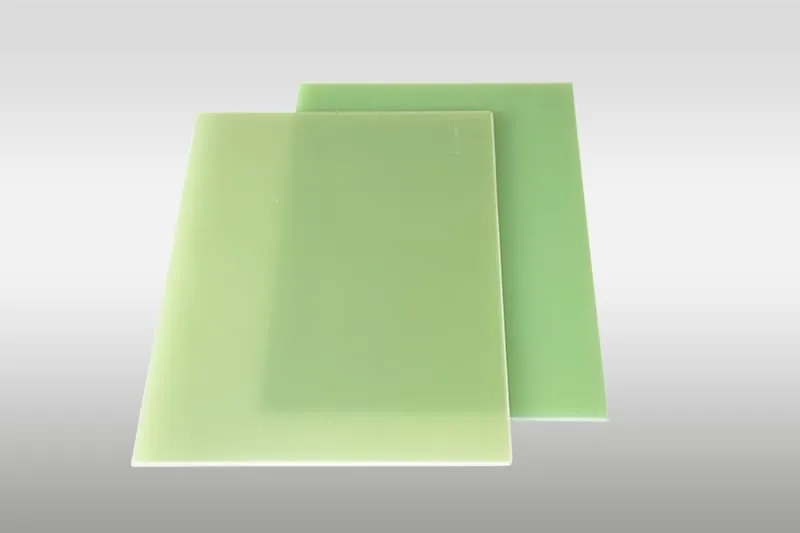
An FR4 stiffener is a rigid laminate made from fiberglass-reinforced epoxy, which is widely used in flex PCBs to add mechanical strength and improve durability.
The FR4 stiffener is strong, lightweight, and cost-effective, making it an excellent choice for applications that require structural support without adding significant weight. It is particularly useful in environments where the PCB will experience mechanical stress, vibration, or shock.
FR4 stiffeners are available in various thicknesses to meet the specific needs of the application. The FR4 stiffener thickness will depend on the mechanical stresses the PCB will face. A thicker FR4 stiffener provides greater rigidity, while a thinner one offers more flexibility while still maintaining support.
What is the Shelf Life of a Flex PCB?
The shelf life of a flex PCB can vary depending on several factors, including the materials used for the flex PCB and the stiffeners.
Typically, flex PCBs with appropriate stiffeners can last for several years when stored under the right conditions. A proper environment with controlled temperature and humidity will help extend the PCB’s lifespan and prevent degradation.
The shelf life of flex PCBs is also influenced by the type of stiffener used. Materials like FR4 and polyimide provide excellent protection against environmental factors, allowing the PCB to remain functional for longer periods. However, improper storage can reduce the PCB’s lifespan, even with high-quality stiffeners.
How Thick is an FR4 Stiffener?
The thickness of an FR4 stiffener plays a crucial role in its ability to support the PCB. The right thickness will ensure that the PCB remains rigid while still maintaining flexibility where needed.
FR4 stiffeners are typically available in thicknesses ranging from 0.2mm to 1mm. Thicker stiffeners offer greater mechanical strength, while thinner ones provide a balance between rigidity and flexibility.
When choosing FR4 stiffener thickness, consider factors such as the mechanical stress the PCB will experience, the type of components being mounted, and the overall design of the PCB. In general, a thicker FR4 stiffener is used in applications with higher stress, such as medical equipment or industrial controls.
What is a PCB Stiffener Busbar?
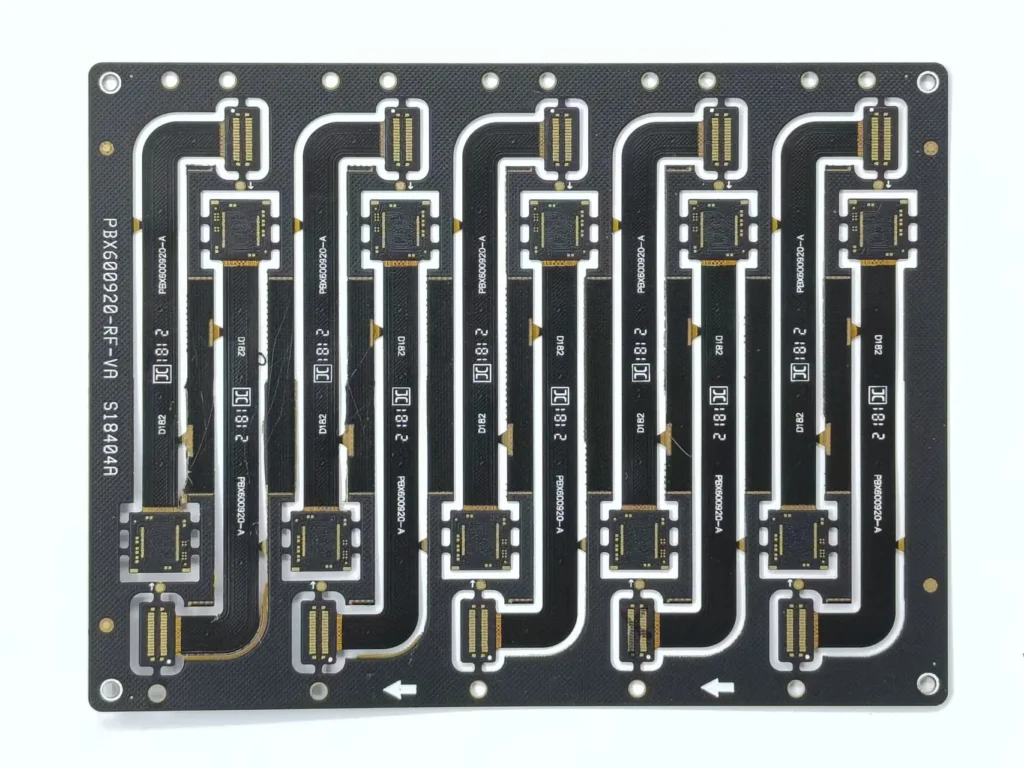
A PCB stiffener busbar combines the mechanical support of a stiffener with electrical conductivity, used in flexible PCBs that require power distribution in addition to rigidity.
The PCB stiffener busbar is a conductive element integrated with the stiffener to ensure that high current is distributed evenly throughout the PCB. This is particularly important in power electronics, where reliability and mechanical strength are essential.
In high-current applications, such as power distribution systems, the PCB stiffener busbar ensures that the flexible PCB can handle significant electrical loads without compromising its mechanical integrity. This makes it suitable for applications in sectors like automotive, power electronics, and telecommunications.
Summary
Flex PCB stiffeners are critical for maintaining the structural integrity, durability, and reliability of flexible PCBs. Whether made from FR4, polyimide, or other materials, stiffeners help ensure that flex PCBs perform optimally in a wide range of demanding applications.